

As urban density continues to increase, Singapore faces a growing demand for cooling across commercial, residential, and industrial developments. In a tropical climate where temperatures and humidity remain high throughout the year, air-conditioning systems are essential for maintaining indoor comfort and operational efficiency.
However, conventional cooling methods are energy-intensive and contribute significantly to electricity consumption and carbon emissions. This has created an urgent need for more sustainable and efficient cooling solutions.
The district cooling system model has emerged as a transformative approach, enabling large-scale energy efficiency while supporting national sustainability goals. Increasingly, engineering companies in Singapore are playing a key role in designing and implementing these systems to meet the demands of modern urban infrastructure.
What is a District Cooling System?
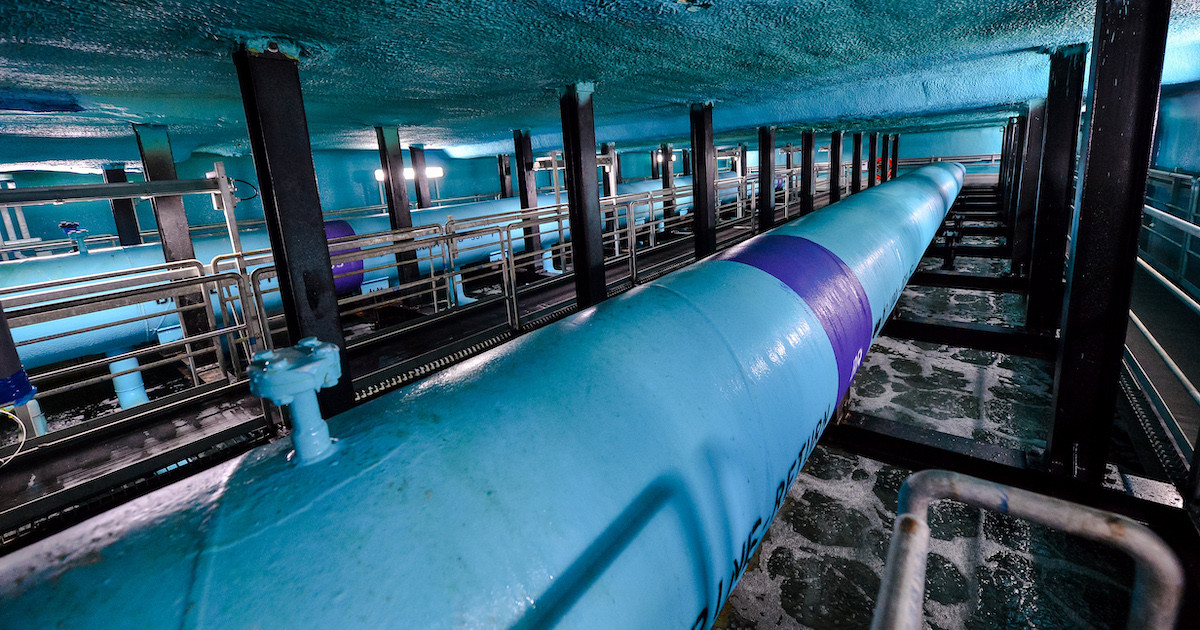
A district cooling system (DCS) is a centralised cooling solution that produces chilled water at a central plant and distributes it to multiple buildings through a network of insulated pipes.
Centralised Cooling for Multiple Buildings
Unlike traditional air-conditioning systems, where each building operates its own cooling equipment, a district cooling system serves an entire development or district. This centralised approach improves efficiency by optimising cooling production and reducing redundancy.
Alternative to Individual Air-Conditioning Systems
By replacing individual chillers and cooling towers, district cooling systems reduce the need for separate mechanical infrastructure in each building. This results in improved energy efficiency, reduced maintenance requirements, and better utilisation of space.
As one of the most advanced cooling solutions, the district cooling system approach is widely adopted in large-scale developments in Singapore, such as Marina Bay.
How District Cooling Works
Understanding how a district cooling system operates highlights its efficiency and scalability.
Central Plant Generates Chilled Water
At the core of the system is a central cooling plant equipped with high-efficiency chillers. These chillers produce chilled water, which serves as the primary cooling medium.
Distribution Through Insulated Pipes
The chilled water is distributed through a network of underground insulated pipes. These pipes connect the central plant to multiple buildings within the development.
Buildings Use Heat Exchangers for Cooling
Within each building, heat exchangers transfer cooling energy from the chilled water to the building’s internal air systems. The warmed water is then returned to the central plant to be cooled again, creating a continuous cycle.
This efficient system eliminates the need for individual cooling units, making it ideal for dense urban environments.
Benefits of District Cooling Systems
District cooling systems offer significant advantages in terms of efficiency, sustainability, and operational performance.
Higher Energy Efficiency and Reduced Electricity Consumption
Centralised systems are able to operate at higher efficiency levels compared to individual cooling units. By optimising load management and using advanced technologies, district cooling reduces overall energy consumption.
Lower Carbon Emissions and Environmental Impact
Reduced energy usage directly translates into lower carbon emissions. This supports Singapore’s environmental goals and contributes to a greener built environment.
Space Savings and Improved Building Design
By eliminating the need for individual chillers and cooling towers, buildings can free up valuable space for other uses. This enhances architectural flexibility and allows for more efficient building design.
Role of Engineering Companies in Singapore
The successful implementation of district cooling systems relies on the expertise of engineering companies in Singapore.
Design and System Integration
Engineering companies are responsible for designing the entire cooling network, including central plants, distribution systems, and building interfaces. Proper system integration ensures optimal performance and efficiency.
Installation and Infrastructure Development
The installation phase involves constructing central plants, laying underground pipelines, and integrating systems with existing infrastructure. This requires precise coordination and technical expertise.
Operation and Maintenance Services
Long-term performance depends on effective operation and maintenance. Engineering companies provide monitoring, servicing, and optimisation to ensure the system continues to operate efficiently.
Key Technologies Used in District Cooling Systems
District cooling systems rely on advanced technologies to achieve high levels of performance and efficiency.
High-Efficiency Chillers and Pumps
Modern chillers and pumps are designed to maximise cooling output while minimising energy consumption. These components form the backbone of the system.
Thermal Energy Storage Systems
Thermal energy storage allows excess cooling capacity to be stored during off-peak periods and used during peak demand. This improves efficiency and reduces operational costs.
Smart Monitoring and Automation
Digital monitoring systems provide real-time data on system performance. Automation helps optimise operations, detect issues early, and improve energy management.
Applications of District Cooling System in Singapore
District cooling systems are widely used across different sectors in Singapore.
Commercial Districts and Business Parks
Large commercial developments benefit significantly from district cooling due to their high and consistent cooling demands. Systems in areas like Marina Bay demonstrate the effectiveness of this approach.
Residential Developments and Smart Cities
As Singapore moves towards smart city development, district cooling is being integrated into residential projects to improve energy efficiency and sustainability.
Industrial and Mixed-Use Projects
Industrial facilities and mixed-use developments also benefit from centralised cooling systems, which provide reliable and efficient temperature control.
Challenges and Solutions
Despite its advantages, implementing district cooling systems comes with certain challenges.
High Initial Investment and Long-Term Savings
The initial capital cost of building central plants and distribution networks can be high. However, these costs are offset by long-term savings in energy and maintenance.
Infrastructure Complexity and Advanced Planning
Developing a district cooling system requires careful planning and coordination. Engineering companies must design systems that integrate seamlessly with existing infrastructure.
Retrofitting Older Buildings
Integrating district cooling into existing buildings can be complex. However, with the right design and engineering solutions, retrofitting can be achieved effectively.
Future of District Cooling in Singapore
The future of district cooling system Singapore solutions is closely tied to the nation’s sustainability goals.
Integration with Green Building Initiatives
District cooling systems will continue to be integrated with green building standards such as BCA Green Mark, supporting energy-efficient urban development.
Expansion in Urban Developments
As new developments emerge, district cooling is expected to become a standard feature in large-scale projects.
Role in Sustainability and Net-Zero Goals
District cooling systems play a key role in reducing carbon emissions and achieving net-zero targets. They are an essential component of Singapore’s long-term environmental strategy.
Driving Sustainable Urban Cooling Through Engineering Innovation
District cooling systems are transforming how cities manage energy consumption and environmental impact. By delivering efficient, centralised cooling, these systems support sustainable urban growth while reducing operational costs.
The role of engineering companies in Singapore is critical in advancing this transformation. Through innovation, technical expertise, and integrated solutions, they enable the successful implementation of complex cooling infrastructure.
Partner with Lih Ming to deliver efficient and future-ready district cooling solutions in Singapore. Contact our team today to discuss how we can support your infrastructure and energy efficiency goals.
