

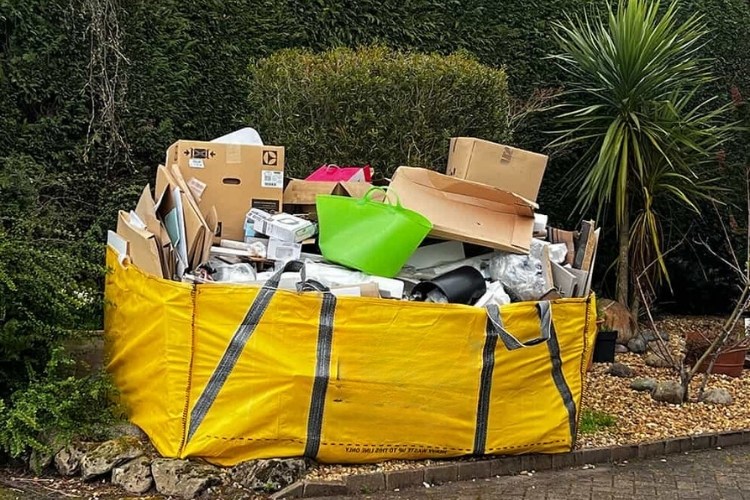
Tackling a major home renovation, clearing out a cluttered garage, or managing rubbish on a busy job site requires an efficient waste management solution. When rubbish accumulates rapidly, looking into competitive skip bin hire prices near me is the most effective way to restore order to your property without spending a fortune. However, understanding how waste removal charges are structured can sometimes feel confusing for first-time renters, as prices vary based on capacity, weight limits, and material classifications.
When researching your options, you might compare skip bin prices in Australia or look for genuinely affordable skip bins that suit your specific project budget. If you are working on a tight schedule, searching for reliable skip bins for hire near me ensures fast delivery and pickup. To help you make an informed decision, this comprehensive FAQ guide breaks down everything you need to know about pricing structures, hidden costs, and strategies to secure the best value.
The Fundamentals of Skip Bin Pricing
How do waste management companies calculate hire costs?
Skip bin pricing is influenced by several operational factors rather than a simple one-size-fits-all flat fee. Waste removal businesses must account for equipment maintenance, fuel transport, labour, and local tipping levies set by regional waste processing facilities.
The primary factors determining your final price include:
- Bin volume: Measured in cubic metres. Larger containers cost more upfront, though they offer a lower price per cubic metre of capacity.
- Waste classification: Clean, recyclable materials like soil or green waste carry lower disposal fees than heavy, mixed materials like concrete, masonry, and general construction debris.
- Rental duration: Standard hire periods usually range from three to seven days. Keeping a container beyond the agreed timeframe typically incurs a daily fee.
- Delivery distance: Locations situated outside a provider’s standard service zone may attract transport surcharges.
What are the average rates for domestic skip bins?
While exact rates vary depending on your region and local municipal tipping charges, standard residential waste bins generally follow predictable price ranges.
Heavy material disposal—such as dense soil, bricks, or concrete blocks—can increase standard hiring costs by 20% to 50% due to weight caps and specialised handling required at processing plants.
Selecting the Right Container and Category
How do I choose the correct bin size for my project?
Selecting the wrong bin capacity is one of the most frequent errors customers make. Many people attempt to cut costs by booking cheap skip bins that are too small, only to find their waste exceeds the capacity. Ordering a second container invariably costs far more than selecting a slightly larger size initially.
Use these practical benchmarks when choosing your bin size:
- 2 cubic metres: Equivalent to roughly 8 standard wheelie bins. Ideal for small shed cleanouts, bathroom updates, or minor garden trimming.
- 3 to 4 cubic metres: Equivalent to 12 to 16 wheelie bins. Perfect for moving house, kitchen rip-outs, or medium landscaping projects.
- 6 cubic metres: Equivalent to about 24 wheelie bins. Great for whole-house decluttering, commercial office refits, or major structural works.
- 10 cubic metres: Designed for full scale construction, demolition jobs, or multi-unit development waste.
Why does waste type impact total pricing so significantly?
Processing facilities charge skip suppliers based on the complexity of sorting and recycling the incoming load. A bin containing purely organic green waste is straightforward to process into mulch, keeping handling charges minimal.
Conversely, mixed loads containing timber, plastics, drywall, and furniture require extensive manual labour to sort. These higher processing and landfill taxes are passed on to the customer. Providing accurate information to your chosen Perth bin hire company about your waste composition ensures an accurate quote without unexpected adjustment fees later.
Avoiding Surcharges and Additional Fees
What happens if I fill the bin past the top rim?
Containers must strictly be filled no higher than the top edge. Transport regulations forbid drivers from hauling overfilled bins, as unrestrained materials create severe hazards for other motorists on public roads. If your waste rises above the rim, the driver may refuse collection until the excess is removed, or apply an overloading surcharge to cover safety adjustments.
Are certain household items restricted from standard skip bins?
Yes. Placing hazardous, toxic, or regulated materials in a general waste skip can lead to substantial financial penalties due to environmental compliance laws.
Always keep these items out of standard bins:
- Asbestos sheeting (requires specialised, certified hazardous waste containment)
- Liquid paint, solvents, pesticides, and industrial chemicals
- Car batteries and gas cylinders
- Vehicle tyres and mattresses (many suppliers accept these only upon prior notice and for an additional individual recycling fee)
Will I need a local council permit?
If the container is placed entirely on private property—such as your paved driveway, carport, or front lawn—no permit is required. However, if space constraints force you to place the bin on public property, such as the road, footpath, or nature strip, a temporary council permit is mandatory. Council fees typically range from $50 to $150, depending on the municipality. Many reputable skip providers can manage this application process on your behalf during booking.
Practical Ways to Maximise Value
How can I reduce my overall waste disposal expenses?
Saving money on waste removal comes down to smart preparation and efficient packing techniques before the container arrives.
Consider these four actionable money saving tips:
- Dismantle bulky items: Break down old wooden cabinets, bed frames, and cardboard boxes flat before loading. This eliminates trapped air pockets, allowing you to fit considerably more waste into a single container.
- Separate heavy materials: If you have large quantities of clean bricks or soil along with general junk, rent a dedicated heavy waste bin alongside a smaller general bin rather than combining them into one costly mixed heavy container.
- Cover your container: Unsecured bins placed near public walkways can attract illegal dumping from passersby overnight. Place a heavy tarp over the top when not in use to keep uninvited waste out.
- Schedule in advance: Avoid emergency or same-day delivery requests, as express dispatch often carries additional rush fees. Booking a week ahead guarantees availability and standard pricing.
Make the Smart Choice for Your Cleanup
Grasping the key principles behind skip bin hire prices allows you to plan your rubbish removal project efficiently while staying within your budget. By accurately estimating your volume, selecting the appropriate waste classification, and packing the container methodically, you can complete your cleanup without stress.
Whether you are preparing for a major property makeover or simply reclaiming space in your home, renting a skip bin remains the most practical, secure, and convenient choice. Contact a trusted local supplier today to discuss your requirements and book your delivery.
