

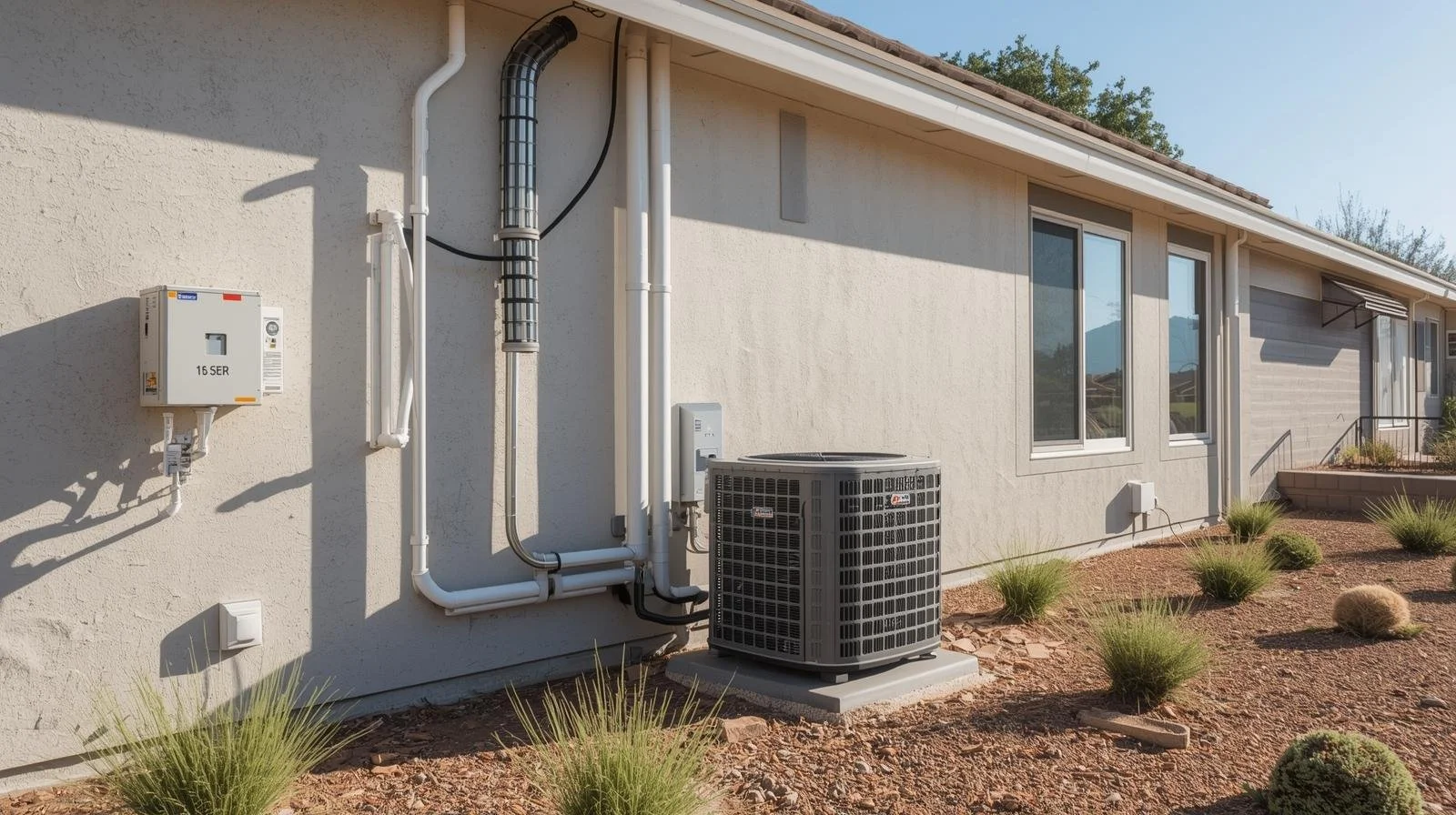
A furnace repair can restore reliable heating, but getting the system working again is only part of the goal. Homeowners also want their furnace to operate efficiently so that comfort does not come with unnecessarily high energy bills. Once a repair has been completed, a few practical changes can help reduce energy waste and support consistent heating throughout the home.
From improving thermostat habits to replacing dirty filters and checking ductwork, there are several ways to make the most of a properly functioning heating system. The following strategies can help Orange County homeowners manage heating costs while maintaining a comfortable indoor environment.
Start With a Clean or New Furnace Filter
One of the simplest steps after a furnace repair is checking the air filter. A dirty filter restricts airflow, forcing the furnace to work harder to circulate heated air. ENERGY STAR recommends checking filters monthly during periods of heavy use and replacing them when they become dirty, with a minimum replacement interval of about three months in many systems.
The correct filter type and replacement schedule depend on the furnace and household conditions. Homes with pets, dust, or frequent heating use may require more frequent attention. A clean filter can help maintain proper airflow and reduce unnecessary strain on the equipment.
Adjust Your Thermostat Settings
Thermostat settings have a direct effect on heating energy consumption. Instead of keeping the home at the same temperature around the clock, consider lowering the setting when everyone is asleep or away.
The U.S. Department of Energy notes that reducing the thermostat setting by around 7–10 degrees for eight hours a day can reduce annual heating costs by as much as 10%.
A programmable or smart thermostat can make these adjustments automatically. ENERGY STAR-certified smart thermostats can provide scheduling, remote control, and other features designed to help homeowners manage heating more efficiently.
Make Sure Your Vents Are Not Blocked
After a furnace repair, check every supply and return vent in the house. Furniture, rugs, curtains, boxes, and other objects can interfere with airflow.
Blocked registers can make some rooms feel colder than others, encouraging homeowners to increase the thermostat setting. Keeping vents unobstructed allows heated air to circulate more effectively and can improve overall comfort.
If one room consistently receives little or no warm air despite open vents, the issue may involve ductwork, airflow balancing, insulation, or another HVAC problem that requires professional investigation.
Check Your Ductwork for Energy Loss
A furnace can operate correctly while a home’s duct system wastes heated air. ENERGY STAR reports that typical forced-air duct systems can lose around 20–30% of the air moving through them because of leaks, holes, or poor connections.
Pay particular attention to accessible ducts located in attics, crawlspaces, garages, or other unconditioned areas. Professional duct sealing and insulation can help keep heated air where it belongs.
For accessible leaks, ENERGY STAR recommends appropriate duct sealants such as mastic or metal-backed tape rather than ordinary cloth duct tape.
Seal Drafts Around the Home
Even an efficiently operating furnace has to work harder when warm air continually escapes through gaps and drafts. Check areas around exterior doors, windows, plumbing penetrations, and other openings for noticeable air leakage.
Caulk and weatherstripping can address some relatively simple leaks. The Department of Energy identifies air sealing and insulation as important ways to reduce energy waste and improve indoor comfort.
For a larger or older home, a professional energy assessment can help identify less obvious sources of heat loss.
Improve Attic and Home Insulation
If your furnace has recently been repaired but your heating bills remain unusually high, the problem may not be the furnace itself. Insufficient insulation can allow heat to escape through the attic, walls, floors, or other parts of the building envelope.
The Department of Energy recommends evaluating insulation levels as part of an overall home energy-efficiency strategy.
Improving insulation can help maintain a more stable indoor temperature, meaning the furnace may not need to run as frequently to maintain the thermostat setting.
Schedule Regular Furnace Maintenance
Repairing a malfunctioning furnace addresses an immediate problem, while preventive maintenance helps identify developing problems before they become larger issues.
ENERGY STAR recommends annual heating-system checkups and notes that a typical maintenance visit can include inspecting controls, electrical connections, moving components, burners, combustion, and other furnace-specific components.
Scheduling maintenance before periods of heavy heating use can also give homeowners an opportunity to discuss airflow, thermostat operation, unusual cycling, and other concerns with an HVAC professional.
Avoid Constantly Changing the Thermostat
Large and frequent thermostat adjustments are not always necessary. Instead, establish practical temperature schedules based on when the household is normally home, asleep, or away.
A consistent schedule can make it easier to balance comfort and energy use. If your furnace seems to run almost continuously after a repair, however, do not simply keep changing the thermostat. Persistent operation may indicate an airflow problem, duct leakage, insulation issue, thermostat problem, or another condition worth investigating.
Use Ceiling Fans to Redistribute Warm Air
Warm air naturally rises, which can leave lower areas feeling cooler while heated air collects near the ceiling. Depending on the fan and its settings, gentle air circulation can help distribute warmth more evenly.
The goal is not to use fans as a replacement for heating, but to improve circulation so that the existing heat is distributed more effectively throughout occupied spaces.
Monitor Your Energy Bills After the Repair
Keep an eye on your heating-related energy use after the furnace has been repaired. Comparing bills from similar periods can help you determine whether the repair and efficiency improvements are making a difference.
Remember that energy bills can vary because of outdoor temperatures, household occupancy, thermostat settings, utility rates, and other factors. Looking at several billing periods rather than one bill provides a more useful picture.
If energy use remains unexpectedly high despite normal thermostat settings and a properly maintained furnace, consider having the complete heating system and home envelope evaluated.
Know When a Repair Is No Longer the Whole Solution
A repaired furnace does not necessarily mean every heating-efficiency problem has been solved. If the system is older, requires frequent repairs, produces uneven heating, or is accompanied by rising energy bills, it may be worth discussing its overall condition with a qualified HVAC professional.
ENERGY STAR identifies frequent repairs combined with increasing energy bills as one situation in which homeowners may want to evaluate whether replacement or broader system improvements are appropriate.
That does not automatically mean replacement is necessary. A professional evaluation can help determine whether maintenance, duct improvements, insulation, controls, another repair, or equipment replacement makes the most sense.
Why Furnace Efficiency Matters After a Repair
A successful repair should restore proper operation, but homeowners can often get better long-term results by looking at the entire heating system. The furnace, thermostat, filters, ducts, insulation, windows, doors, and building envelope all influence how much energy is required to maintain indoor comfort.
For homeowners searching for furnace repair Orange County, it is therefore useful to think beyond the immediate repair. Asking about airflow, maintenance, filter requirements, duct condition, and thermostat operation can help create a more complete approach to heating efficiency.
Create a Simple Post-Repair Heating Checklist
Once your furnace is operating properly, use a simple routine to keep energy waste under control:
- Check the furnace filter regularly.
- Keep supply and return vents unobstructed.
- Use reasonable thermostat schedules.
- Seal noticeable drafts around doors and windows.
- Inspect accessible ductwork for gaps or damage.
- Consider insulation improvements where needed.
- Schedule professional furnace maintenance.
- Monitor energy bills over several billing periods.
- Investigate unusual cycling, uneven heating, or persistent high energy use.
- Follow the furnace manufacturer’s maintenance recommendations.
Final Thoughts
Lowering your heating bill after a furnace repair is usually about more than the repair itself. A clean filter, sensible thermostat schedule, properly sealed ducts, adequate insulation, and regular maintenance can all contribute to better heating efficiency.
For Orange County homeowners, the best approach is to treat the furnace as part of a complete home heating system. When the equipment, airflow, controls, and building envelope work together properly, you can improve comfort while reducing unnecessary energy waste.
