

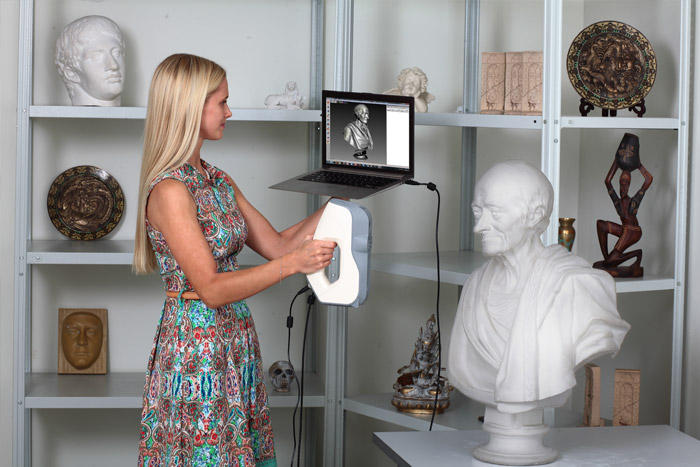
The art world has always been at the intersection of tradition and innovation, with new technologies continually reshaping how art is created, preserved, and experienced. One of the most revolutionary developments in recent years has been the rise of 3d scanning, which is profoundly transforming not just how we view art, but also how it is replicated, preserved, and even sold. This article delves into the impact of 3D scanning on the art world and digital replicas, exploring both the benefits and the challenges that come with this technology.
What is 3D Scanning?
Before we dive into its impact on the art world, it’s important to understand what 3D scanning is. 3D scanning is a process that captures the physical shape and appearance of an object or scene in three dimensions using a laser or light-based technology. The scan generates a highly detailed digital replica of the object, which can then be manipulated, reproduced, or stored digitally. This technology has widespread applications in fields ranging from archaeology to architecture, and it has proven to be particularly transformative in the world of fine art.
Preservation and Restoration of Artworks
One of the most significant ways that 3D scanning is impacting the art world is in the realm of preservation. Museums and galleries are increasingly using 3D scanning to create highly detailed digital replicas of artworks, which can serve as backups in case the original pieces are damaged or deteriorate over time. This is particularly important for fragile works, such as ancient sculptures, textiles, and paintings, which may be susceptible to damage due to environmental factors or the passage of time.
Restoring Damaged Artworks with Digital Precision
When a piece of art is damaged, 3D scanning allows restorers to create an accurate digital model of the artwork before any restoration work is done. This digital replica serves as a reference point, ensuring that the restoration is faithful to the original design. In some cases, 3D scanning has been used to recreate missing parts of sculptures or other artworks, using the original scans as a basis for 3D printing or sculpting new pieces. This innovative approach to restoration helps preserve the integrity of the original work while still allowing for necessary repairs.
The Rise of Digital Replicas and Virtual Artworks
As 3D scanning technology has improved, it has opened up new possibilities for the creation of digital replicas. Museums and galleries can now create accurate, high-resolution 3D models of their collections, making it possible to share these replicas with a global audience. Digital replicas have the potential to democratize access to art by allowing anyone with an internet connection to experience artworks from some of the world’s most famous collections.
Virtual Museums and Online Art Exhibitions
In recent years, many institutions have embraced digital replicas as part of virtual museum tours or online exhibitions. Visitors can explore 3D representations of famous artworks from the comfort of their own homes. This shift has proven especially important during times when physical access to museums and galleries was restricted, such as during the COVID-19 pandemic. By providing digital replicas of physical artworks, institutions can continue to share their collections with audiences around the world, breaking down geographical and logistical barriers.
The Ethics of Digital Replicas in the Art World
While the impact of 3D scanning on the art world has been largely positive, it has also raised important ethical questions. The ability to create highly accurate digital replicas of artworks has sparked debates around issues such as ownership, authenticity, and the value of the original work. Critics argue that digital replicas may dilute the unique cultural and historical significance of physical artworks. If a digital copy can be reproduced indefinitely, what does that mean for the perceived value of the original?
The Challenge of Copyright and Ownership
One of the most pressing concerns regarding digital replicas is the question of copyright. Artists and museums often struggle with how to protect the digital versions of their works from unauthorized reproduction or distribution. In some cases, digital replicas of artworks have been sold as limited-edition NFTs (Non-Fungible Tokens), sparking debates about the intersection of art, technology, and commerce.
The Future of 3D Scanning and Art
Looking ahead, the role of 3D scanning in the art world is likely to continue evolving. As technology becomes more advanced, we can expect even greater precision and detail in the digital replicas of artworks. New software will make it easier to create highly realistic virtual environments that allow viewers to interact with and explore digital art in unprecedented ways.
Opportunities for Interactive Art and Augmented Reality
The rise of augmented reality (AR) and virtual reality (VR) technologies presents exciting new opportunities for 3D scanning in the art world. Imagine being able to walk around a digital replica of a famous sculpture, viewing it from every angle and zooming in on intricate details that might otherwise be inaccessible in a museum setting. This level of interactivity could offer a more immersive and engaging art experience, opening up new possibilities for both artists and audiences.
Conclusion
The impact of 3D scanning on the art world and digital replicas is undeniable. From preserving and restoring artworks to creating digital replicas that can be shared globally, 3D scanning is reshaping how we experience and interact with art. While challenges around ownership and authenticity remain, the potential benefits of this technology are vast.
