

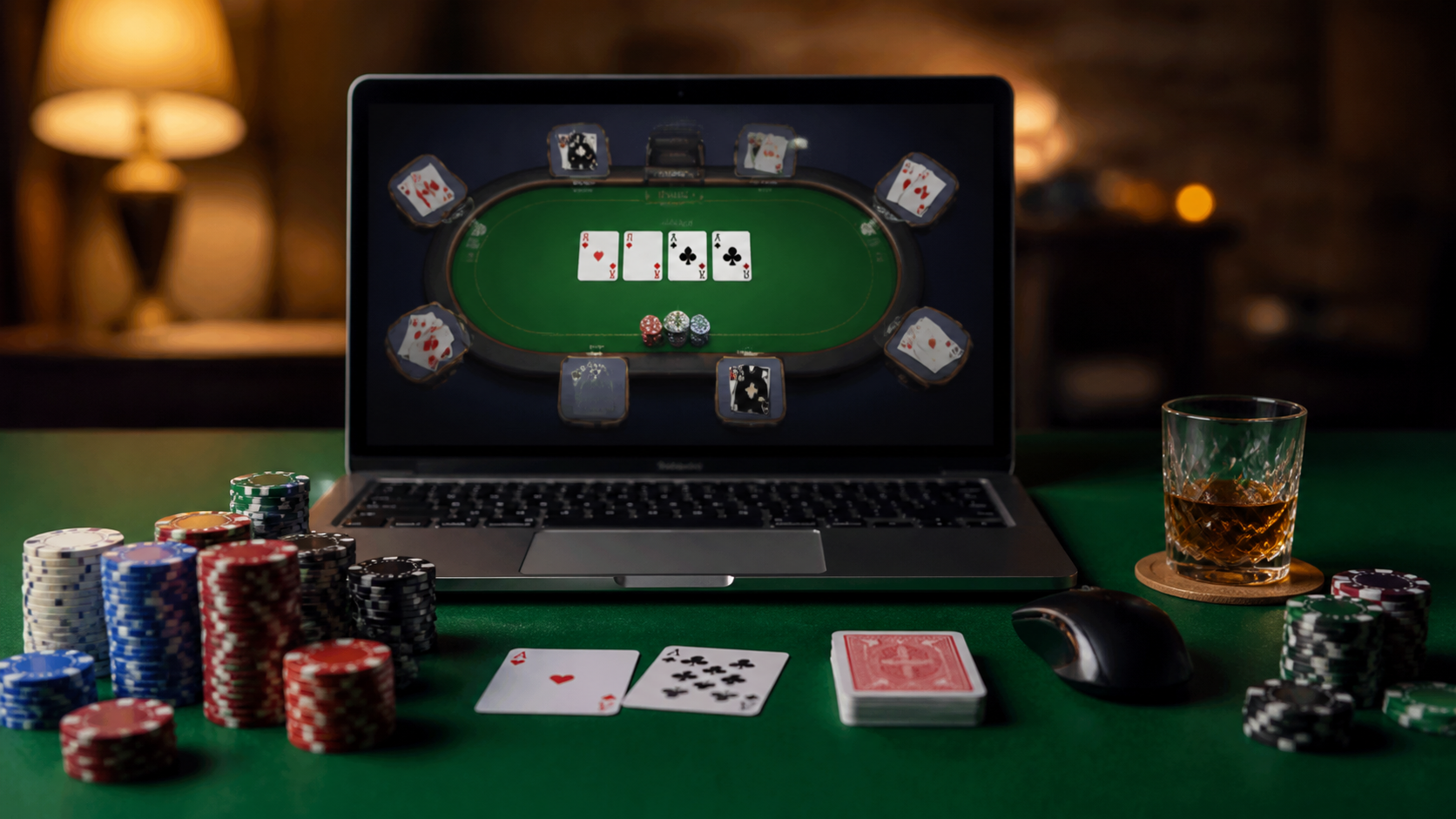
Online poker has become one of the most familiar card-game experiences for players who want strategy, timing, and a steady learning curve. Unlike games that rely mostly on luck, poker rewards observation, patience, and the ability to make better decisions over time. That is part of why the topic continues to attract both casual players and more serious game enthusiasts.
For readers exploring ไพ่โป๊กเกอร์ออนไลน์, the most useful approach is to focus on how the game works, what shapes a good decision, and how to avoid common mistakes. The game can feel simple at first glance, but once you start paying attention to table dynamics, betting patterns, and the rhythm of each hand, it becomes clear that poker is as much about judgment as it is about cards.
Online play adds another layer. The pace is often faster, the format can vary from one platform to another, and the lack of face-to-face interaction means players need to read the game differently. That makes it important to understand not just the rules, but also the habits that help people stay organized, disciplined, and confident at the table.
What Makes Online Poker Different
Online poker is built around the same core principles as traditional poker, but the setting changes the way players experience each hand. Instead of sitting across from opponents in a physical room, you rely on screen-based information, betting histories, and the flow of the action. That creates a faster and more data-focused environment.
One of the main differences is pace. Hands can move quickly, especially when several tables are open at once or when the game format is designed for short sessions. For some players, that speed is exciting. For others, it can lead to rushed decisions. In either case, it helps to slow down mentally and treat each hand as a separate decision rather than part of a blur.
Another difference is the amount of attention players can give to patterns. Without physical tells, people tend to lean more on betting behavior and timing. This does not make the game easier or harder by default, but it does change what matters most. A player who understands how betting sizes, position, and hand selection interact is often better prepared than someone who only knows the basic rules.
Core Skills That Matter at the Table
Good poker play usually comes from a combination of discipline and observation. The strongest decisions are often not the most dramatic ones, but the ones that fit the situation. A player who knows when to enter a pot, when to step back, and when to pressure opponents often has a clearer path than someone who chases every hand.
It can be useful to think of poker skills as a set of habits rather than a single talent. People improve by repeating solid choices, reviewing mistakes, and paying attention to what their opponents are likely doing. That approach does not promise results in every session, but it can make a player more consistent over time.
Hand Selection and Position
Hand selection is one of the simplest places to improve. Not every starting hand deserves action, and not every playable hand should be used the same way from every seat. Position matters because acting later in a hand gives you more information. That advantage can help you make cleaner decisions and avoid unnecessary risk.
Newer players often overvalue weak hands because they hope for a big result. More experienced players usually look for spots where the hand has enough potential to justify the risk. This does not mean playing only premium cards; it means understanding that each decision has a cost.
Betting Patterns and Table Awareness
Betting patterns can reveal a lot, even when no one is speaking. A cautious player may only bet strongly with a narrow range of hands, while another may use pressure more freely. Watching how opponents act across several hands can give you a better sense of what they might be holding, though nothing should be treated as certain.
Table awareness also includes noticing changes in tempo. A player who suddenly becomes aggressive may be trying to build a pot, protect a strong hand, or create uncertainty. The point is not to guess perfectly every time, but to stay attentive enough that the table never feels random.
Choosing a Game Format That Fits Your Style
Not every poker format feels the same, and that is part of the appeal. Some players prefer slower, more deliberate play, while others enjoy compact sessions with quicker results. Before joining a table, it helps to think about what type of experience feels manageable and enjoyable.
Cash games, tournament formats, and short-session variants each ask for different habits. A player who likes consistent pacing may prefer a structure that allows more room for adjustment, while someone who wants a sharper competitive edge might enjoy a format where stack sizes and pressure change more quickly. If you want a broader look at the environment and how players approach ไพ่โป๊กเกอร์ออนไลน์ , it is worth comparing formats before settling into one style.
- Cash games: Often suit players who want flexible entry and exit points.
- Tournaments: Reward survival, patience, and the ability to adapt as blinds change.
- Fast-fold or short-session formats: Fit players who prefer more hands in less time.
Choosing a format is not about finding the “best” one in a universal sense. It is about matching the structure to your temperament, attention span, and goals. A format that feels comfortable usually leads to better decisions than one that encourages rushed, emotional play.
Managing Risk and Staying in Control
Risk management is one of the most overlooked parts of poker. Many players focus only on winning pots, but long-term consistency often depends on how well they handle swings, frustration, and budget discipline. Even when a hand is played correctly, the outcome can still go the other way. That reality is part of the game.
Good control starts before the first hand. It helps to decide in advance how much time and money you are comfortable using in a session. Once the game begins, the goal is to keep your decisions aligned with that plan rather than reacting emotionally to short-term results. A player who starts chasing losses or forcing action usually makes weaker choices.
Another useful habit is to step away when focus fades. Tired or distracted play can be just as costly as poor strategy. Online poker makes it easy to continue clicking through hands, but that convenience can be a drawback if attention drops. The ability to stop at the right moment is a skill in itself.
Common Mistakes to Avoid
Several mistakes appear again and again, especially among newer players. They are common because they often feel harmless in the moment, even though they can gradually weaken results.
- Playing too many hands out of curiosity instead of structure.
- Ignoring position and acting as if every seat has the same value.
- Chasing losses after a difficult stretch.
- Reading too much into one hand rather than looking at patterns.
- Letting emotions influence bet sizes or decisions.
These mistakes are not unusual, and they do not mean someone is a bad player. They simply show where discipline needs more attention. Poker improves faster when players can identify weak habits early and correct them before they become routine.
Building Better Habits for Long-Term Play
The most sustainable poker progress usually comes from small, repeatable habits. Reviewing hands after a session, paying attention to where mistakes happened, and noticing which situations feel uncomfortable all help create a better foundation. Improvement tends to be gradual, but it is easier to sustain when it is built around observation rather than impulse.
It also helps to keep expectations realistic. Poker is a game of decisions, not promises. A strong hand can lose, a weak hand can win, and a smart fold can feel unrewarded in the moment. Over time, though, players who make sound choices are usually better positioned than players who rely on hope or luck alone. That is why many experienced players focus on process first and results second.
Another habit worth developing is selective attention. Not every table or session will be worth your time. If a game feels too fast, too chaotic, or too distracting, it may be better to step back and choose a setting that supports clearer thinking. That kind of self-awareness is often more valuable than trying to force action in every available game.
For readers who approach poker as a skill-based pastime, the real benefit comes from combining patience with curiosity. The more you notice, the more you learn; the more you learn, the easier it becomes to make decisions that feel deliberate rather than reactive.
Conclusion: Playing with More Awareness
Online poker works best when players treat it as a game of choices, not just a stream of hands. The rules matter, but so do position, timing, table awareness, and the discipline to avoid emotional decisions. Those elements shape how comfortable and consistent the experience feels.
Whether you are learning the basics or refining a familiar approach, the most practical goal is to stay thoughtful. A measured style, realistic expectations, and a clear sense of control can make ไพ่โป๊กเกอร์ออนไลน์ more enjoyable and more manageable over time.
