

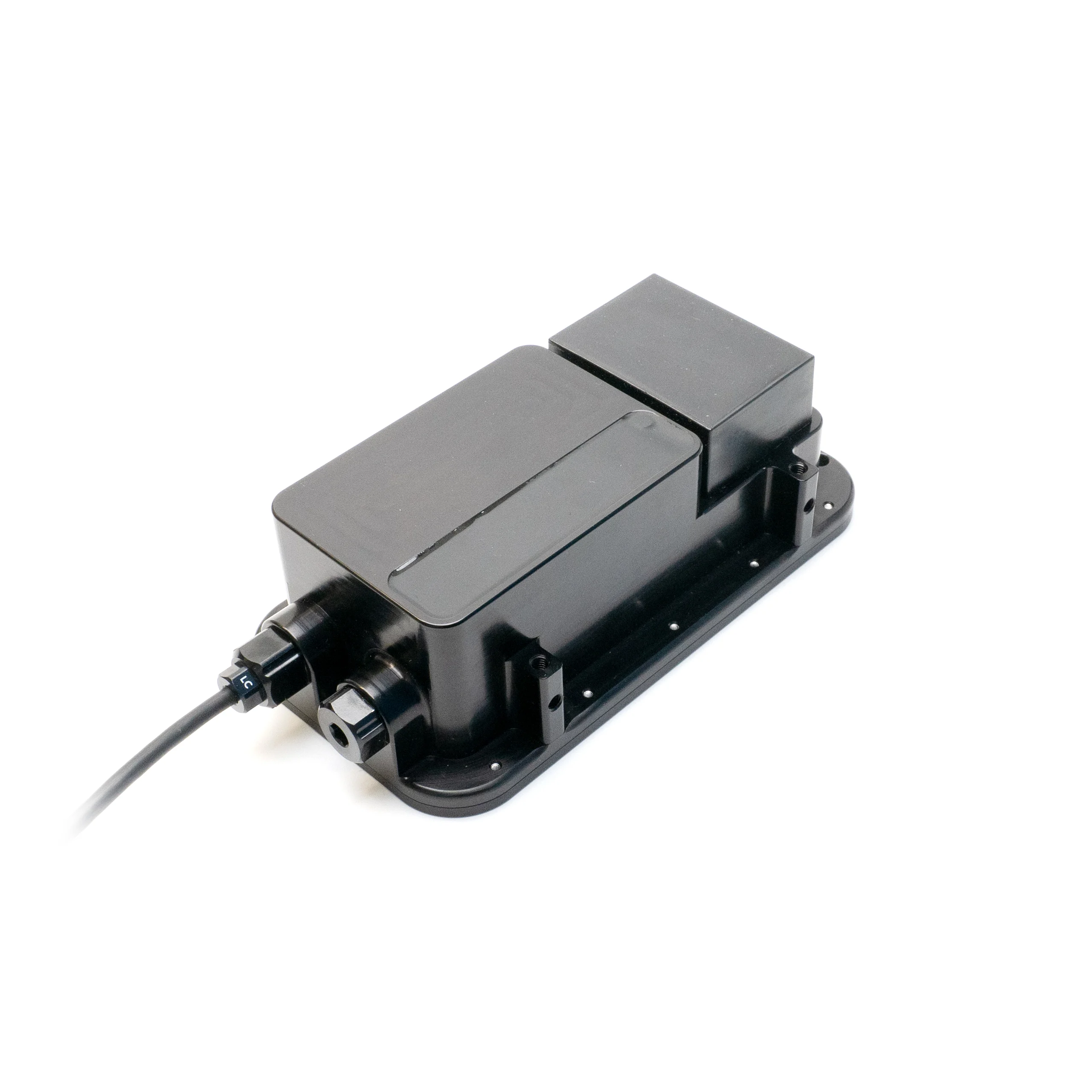
Marine research depends heavily on accurate underwater mapping technologies, and among the most important tools in this field is the multibeam echo sounder. Selecting the right system can significantly influence data quality, research efficiency, and overall project success. This article explores the key considerations involved in Choosing the Right Multibeam Echo Sounder for Marine Research, along with the technical and practical factors that guide decision-making.
Understanding Multibeam Echo Sounders
A multibeam echo sounder is an advanced sonar system used to map the seafloor by emitting sound waves in a fan-shaped beam beneath a vessel. These sound waves reflect off the seabed and return to the sensor, allowing researchers to build detailed bathymetric maps.
Unlike single-beam systems, multibeam technology provides wide swath coverage, making it possible to capture high-resolution 3D images of underwater terrain in a single pass. This makes it indispensable for marine geology, oceanography, habitat mapping, and underwater engineering studies.
When Choosing the Right Multibeam Echo Sounder for Marine Research, understanding this basic functionality helps narrow down systems based on research goals and environmental conditions.
Key Factors to Consider
1. Frequency and Depth Range
One of the most important specifications is operating frequency. High-frequency systems deliver better resolution but are limited to shallow waters. Low-frequency systems penetrate deeper but with reduced detail.
Researchers working in coastal environments may prioritize high-resolution shallow-water systems, while deep-sea exploration requires lower frequency, long-range systems.
2. Beam Width and Coverage
Beam width affects how much area is mapped in a single pass. A wider swath increases efficiency but may reduce resolution at the edges. Narrow beams provide more detail but require more survey lines.
Balancing coverage and precision is a critical part of Choosing the Right Multibeam Echo Sounder for Marine Research, especially when survey time and vessel costs are limited.
3. Resolution and Accuracy
Resolution determines how detailed the final seabed map will be. Higher resolution is essential for applications such as underwater archaeology or pipeline inspection. Accuracy, on the other hand, ensures that depth measurements are reliable and consistent.
Modern systems often include advanced motion sensors and GPS integration to improve positional accuracy.
4. Environmental Conditions
Water conditions such as salinity, temperature, turbidity, and sea state can significantly impact sonar performance. Some systems are better suited for rough seas or variable conditions, while others perform best in calm, clear waters.
Carefully evaluating the expected operating environment is essential when Choosing the Right Multibeam Echo Sounder for Marine Research.
Types of Multibeam Echo Sounders
Hull-Mounted Systems
These are permanently installed on research vessels and are ideal for large-scale, long-term surveys. They provide stability and consistent data quality but require a dedicated vessel.
Portable or Pole-Mounted Systems
These systems are more flexible and can be mounted on smaller boats or temporary platforms. They are suitable for shallow-water surveys and short-term research projects.
Autonomous Underwater Vehicle (AUV) Mounted Systems
AUV-mounted multibeam systems are used for deep-sea exploration where human-operated vessels cannot easily reach. They are highly efficient for remote or hazardous environments.
Each type plays a unique role in Choosing the Right Multibeam Echo Sounder for Marine Research, depending on mission scope and budget.
Data Processing and Software Compatibility
Raw sonar data requires extensive processing before it becomes usable. Most modern systems come with integrated software for cleaning, correcting, and visualizing data.
Compatibility with GIS (Geographic Information Systems) and other marine data platforms is also crucial. Efficient software integration reduces analysis time and improves research output quality.
Budget and Operational Costs
Cost is often a limiting factor in selecting marine survey equipment. High-end systems offer superior performance but come with higher acquisition and maintenance costs.
Researchers must also consider operational expenses such as vessel hire, fuel, and data processing infrastructure. In many cases, the most expensive system is not necessarily the most suitable.
Applications in Marine Research
Multibeam echo sounders are used in a wide range of scientific and industrial applications, including:
- Seafloor habitat mapping
- Offshore engineering and construction
- Coastal erosion monitoring
- Underwater archaeology
- Geological and tectonic studies
Each application has different technical requirements, reinforcing the importance of Choosing the Right Multibeam Echo Sounder for Marine Research based on specific project goals.
Future Trends in Multibeam Technology
Advancements in sonar technology are making systems more compact, energy-efficient, and accurate. Artificial intelligence is increasingly being used to automate seabed classification and reduce manual processing time.
Integration with autonomous systems and cloud-based data platforms is also transforming how marine surveys are conducted.
Conclusion
Selecting a multibeam echo sounder is a critical decision that directly affects the success of marine research projects. Factors such as frequency, resolution, environmental conditions, system type, and budget must all be carefully evaluated.
Ultimately, Choosing the Right Multibeam Echo Sounder for Marine Research requires balancing technical performance with practical constraints. With the right system in place, researchers can achieve highly accurate, efficient, and meaningful insights into the underwater world.
