

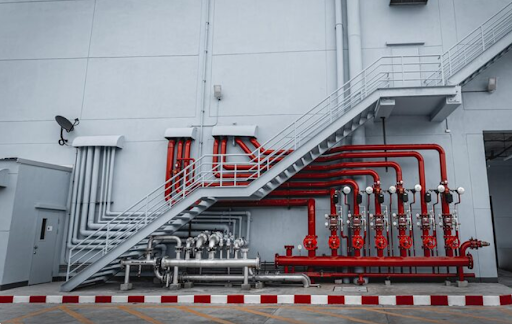
Fire safety is an important responsibility for every building owner and property manager. In an emergency, people need a safe and clear way to leave the building quickly. Fire escapes provide an important exit route, especially in multi-storey buildings. However, these structures must remain in good condition to work properly when needed. Regular fire escape maintenance helps ensure that emergency exits are safe, accessible, and ready for use. It also supports building safety and gives occupants greater confidence in their surroundings.
Ensuring Fire Escapes Remain Safe and Reliable
Fire escapes are exposed to different weather conditions throughout the year. Rain, heat, moisture, and strong winds can gradually affect their condition. Metal stairs, railings, platforms, and support structures may develop rust or become weak over time. Regular fire escape maintenance helps identify these issues before they become serious problems.
Inspecting the structure allows professionals to check for loose connections, damaged steps, and other signs of wear. Repairing these issues on time helps keep the fire escape strong and reliable. A properly maintained structure provides a safer route for people leaving the building during an emergency.
Identifying Potential Problems Early
Small maintenance issues can become major safety concerns if they are ignored. For example, a loose handrail or damaged stair can make it difficult for someone to use the fire escape safely. Regular inspections help building owners identify these problems before they affect the structure’s performance.
Professional fire escape maintenance includes checking important components and looking for visible signs of damage. Maintenance teams can also assess areas that are difficult to inspect without proper equipment. Finding problems early makes repairs easier to manage and helps prevent unexpected difficulties during an emergency.
Keeping Emergency Exit Routes Clear
A fire escape must always be easy to access. Stored equipment, rubbish, furniture, and other objects can block the exit route and make evacuation more difficult. Even a small obstruction can slow people down when they need to leave the building quickly.
Regular fire escape maintenance helps ensure that stairs, platforms, and access points remain clear. Building managers should also make sure that doors leading to fire escapes can open properly. Keeping these areas clean and accessible allows occupants to move towards safety without unnecessary delays.
Supporting Building Safety and Compliance
Building owners must take fire safety responsibilities seriously. Many local building regulations and fire safety standards include requirements for emergency exits and their condition. Following these requirements helps create a safer environment for residents, employees, visitors, and other occupants.
Consistent fire escape maintenance supports these responsibilities by keeping important safety structures in suitable condition. Professional inspections can also help property owners understand which repairs or improvements may be necessary. Keeping maintenance records provides useful information about completed inspections and repair work.
Improving Emergency Preparedness
A well-maintained fire escape is only one part of an effective emergency plan. Occupants should also understand where emergency exits are located and how to use them safely. Regular fire drills and clear evacuation instructions can help people become more familiar with available escape routes.
Combining emergency planning with regular fire escape maintenance helps building managers prepare for unexpected situations. It also encourages a stronger safety culture by reminding everyone that emergency exits must remain ready for use.
Conclusion
Fire escapes play an important role in protecting people during building emergencies. Regular fire escape maintenance helps keep these structures safe, accessible, and reliable. From identifying damage to keeping exit routes clear, proper maintenance supports overall building safety and emergency preparedness. By arranging routine inspections and completing necessary repairs, building owners can create a safer environment and ensure that occupants have a dependable escape route when they need it most.
