

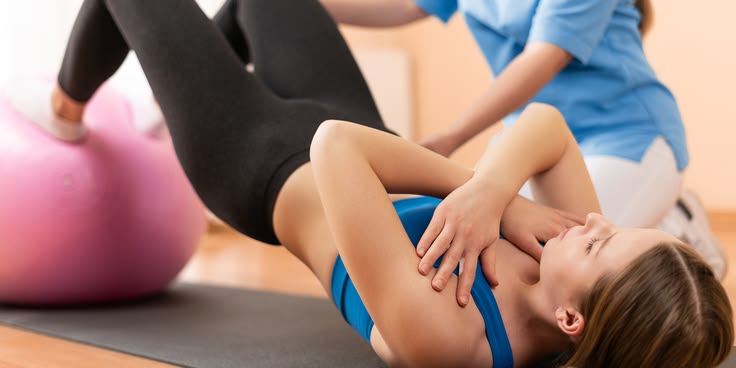
Pelvic floor rehabilitation is a structured approach to improving the function of the pelvic floor muscles through targeted exercises, therapy, and lifestyle changes. These muscles play a key role in supporting the bladder, bowel, and reproductive organs, while also contributing to core stability, posture, and overall physical control.
When the pelvic floor becomes weak, tight, or uncoordinated due to factors such as childbirth, aging, surgery, or chronic strain, pelvic floor rehabilitation helps restore normal function and reduce symptoms. It is a widely used, non-invasive treatment approach that can significantly improve quality of life.
Understanding the Pelvic Floor
The pelvic floor is a group of muscles and connective tissues located at the base of the pelvis. It acts like a supportive hammock that holds internal organs in place and helps control bladder and bowel movements.
Healthy pelvic floor muscles should be:
- Strong enough to provide support
- Flexible enough to relax when needed
- Coordinated for proper muscle control
When these muscles lose balance, various functional problems can occur.
What Is Pelvic Floor Rehabilitation?
Pelvic floor rehabilitation is a therapeutic process designed to retrain and strengthen pelvic muscles. It is usually guided by a healthcare professional, such as a pelvic floor physiotherapist.
The goal is to:
- Improve muscle strength and endurance
- Restore proper coordination
- Reduce pain and discomfort
- Improve bladder and bowel control
- Enhance core stability and posture
Rehabilitation programs are personalized based on the patient’s specific condition.
Who Needs Pelvic Floor Rehabilitation?
Pelvic floor rehabilitation can benefit a wide range of individuals, including:
- Women after childbirth
- People experiencing urinary incontinence
- Individuals with pelvic pain or pressure
- Patients recovering from pelvic surgery
- Older adults with muscle weakness
- Athletes with core instability
It is also helpful for people with either overly weak or overly tight pelvic muscles.
Common Causes of Pelvic Floor Dysfunction
Pelvic floor problems can develop for many reasons, such as:
- Pregnancy and vaginal delivery
- Aging and hormonal changes
- Chronic constipation or straining
- Heavy lifting or high-impact sports
- Surgery in the pelvic area
- Poor posture and weak core muscles
- Long-term stress and muscle tension
Often, multiple factors contribute to dysfunction over time.
Components of Pelvic Floor Rehabilitation
A complete rehabilitation program may include several techniques:
Pelvic Floor Exercises
These include strengthening exercises (like Kegels) for weak muscles and relaxation exercises for tight muscles.
Manual Therapy
A trained therapist may use hands-on techniques to release tension and improve muscle flexibility.
Biofeedback Training
This method uses sensors to help patients understand how their pelvic muscles are working in real time.
Breathing and Core Training
Proper breathing techniques help coordinate the diaphragm and pelvic floor for better stability and control.
Posture Correction
Improving posture reduces unnecessary pressure on pelvic muscles and supports long-term recovery.
Benefits of Pelvic Floor Rehabilitation
Pelvic floor rehabilitation offers many physical and functional benefits, including:
Improved Bladder and Bowel Control
Stronger and better-coordinated muscles help reduce leakage and urgency issues.
Reduced Pain and Discomfort
Rehabilitation can relieve pelvic pain caused by muscle tension or dysfunction.
Enhanced Postpartum Recovery
It supports healing and restores muscle strength after childbirth.
Better Core Stability
A healthy pelvic floor improves balance, posture, and overall core strength.
Improved Quality of Life
Many individuals experience greater confidence and comfort in daily activities.
What to Expect During Rehabilitation
A typical pelvic floor rehabilitation program begins with an assessment by a specialist. This may include questions about symptoms, medical history, and a physical examination.
Based on the findings, a personalized plan is created. Patients are often given:
- Daily exercise routines
- Guided therapy sessions
- Home practice instructions
- Lifestyle recommendations
Progress is usually gradual, with noticeable improvements over weeks or months.
Common Mistakes to Avoid
To achieve the best results, it is important to avoid:
- Overtraining the muscles
- Incorrect exercise technique
- Holding breath during exercises
- Ignoring relaxation techniques
- Expecting immediate results
Consistency and correct form are more important than intensity.
Final Thoughts
Pelvic floor rehabilitation is an effective and evidence-based approach to restoring muscle function, improving bladder and bowel control, and enhancing overall core stability. Through guided exercises, therapy, and lifestyle changes, individuals can regain comfort, strength, and confidence.
With regular practice and professional support, pelvic floor rehabilitation can lead to long-term improvements in physical health and quality of life.
