

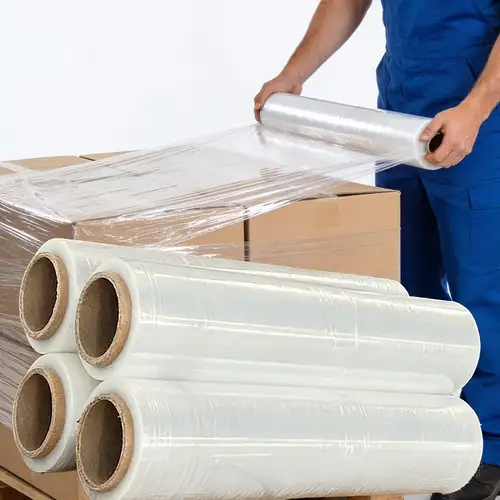
Whether you’re shipping products across the country, organizing inventory in a warehouse, or securing items for storage, Stretch Wrap is one of the most effective packaging materials available. It keeps products tightly bundled, protects them from dust and moisture, and helps prevent shifting during transportation. From small businesses to large distribution centers, stretch wrap plays a vital role in ensuring products arrive safely while reducing packaging costs.
In this guide, we’ll explain what stretch wrap is, how it works, the different types available, its benefits, common applications, and how to choose the right stretch wrap for your packaging needs.
What Is Stretch Wrap?
Stretch wrap is a highly stretchable plastic film, typically made from linear low-density polyethylene (LLDPE), that is wrapped around products or pallets to hold them securely together. Unlike adhesive tapes or glue, stretch wrap clings to itself due to its elastic properties, creating a tight, secure load.
When stretched during application, the film creates tension that keeps products firmly in place. This tension helps reduce movement, minimizes product damage, and stabilizes palletized loads during storage and transportation.
Stretch wrap is commonly used in:
- Warehouses
- Distribution centers
- Manufacturing facilities
- Retail businesses
- E-commerce fulfillment
- Moving and storage operations
How Does Stretch Wrap Work?
Stretch wrap works by stretching beyond its original length during application. As the film attempts to return to its original size, it creates a constant holding force around the products.
This tension provides several important functions:
- Keeps multiple boxes securely bundled together
- Stabilizes pallet loads during shipping
- Protects products from dust, dirt, and moisture
- Reduces the risk of shifting during transport
- Helps prevent tampering
The film’s elasticity allows it to maintain consistent pressure without damaging properly packaged products.
Types of Stretch Wrap
Choosing the right type depends on your packaging volume, product weight, and application method.
Hand Stretch Wrap
Hand stretch wrap is applied manually without specialized equipment.
It is ideal for:
- Small businesses
- Low-volume packaging
- Retail stores
- Small warehouses
Advantages include:
- Affordable
- Easy to use
- No machinery required
- Available in various widths and thicknesses
Machine Stretch Wrap
Machine stretch wrap is designed for use with automatic or semi-automatic stretch wrapping machines.
Benefits include:
- Faster packaging
- Consistent wrapping
- Better load containment
- Reduced material waste
- Lower labor costs
Machine stretch wrap is commonly used in warehouses handling high shipping volumes.
Blown Stretch Wrap
Blown stretch wrap is manufactured using a blown extrusion process.
Characteristics include:
- Excellent puncture resistance
- High load holding strength
- Superior cling
- Better performance for irregular loads
Although generally more expensive, it performs exceptionally well for heavy-duty applications.
Cast Stretch Wrap
Cast stretch wrap is produced using a cast extrusion process.
It offers:
- Excellent clarity
- Quiet application
- Smooth release from the roll
- Lower cost than blown film
- Consistent thickness
Cast stretch wrap is one of the most widely used options in commercial packaging.
Colored Stretch Wrap
Colored stretch wrap helps businesses:
- Color-code inventory
- Conceal valuable shipments
- Improve warehouse organization
- Simplify inventory management
Common colors include black, blue, green, red, and white.
Vented Stretch Wrap
Vented stretch wrap contains openings that improve airflow around packaged products.
It is commonly used for:
- Fresh produce
- Firewood
- Temperature-sensitive products
- Agricultural products
Common Stretch Wrap Thicknesses
Stretch wrap thickness is usually measured in gauge.
Some common options include:
| Gauge | Best For |
| 60 Gauge | Light products |
| 70 Gauge | Medium-duty applications |
| 80 Gauge | Standard pallet loads |
| 90–100 Gauge | Heavy loads |
| 120 Gauge+ | Industrial and oversized loads |
Selecting the proper gauge ensures adequate protection while minimizing material usage.
Benefits of Using Stretch Wrap
Improved Load Stability
Stretch wrap securely holds products together, reducing movement during shipping and handling.
Product Protection
The film protects products from:
- Dust
- Dirt
- Moisture
- Minor scratches
- Surface contamination
Reduced Shipping Damage
Stable pallet loads are less likely to shift, collapse, or become damaged during transportation.
Lower Packaging Costs
Compared to strapping or rigid packaging materials, stretch wrap often requires less material while providing effective load containment.
Faster Packaging
Machine-applied stretch wrap significantly improves packaging speed for high-volume operations.
Inventory Organization
Stretch wrap keeps products grouped together, making storage and inventory management more efficient.
Tamper Evidence
While not completely tamper-proof, damaged or removed stretch wrap often indicates that a shipment has been opened.
Common Uses of Stretch Wrap
Stretch wrap is used across numerous industries.
Warehousing
- Securing palletized goods
- Stabilizing inventory
- Protecting stored products
E-commerce
- Bundling multiple boxes
- Preparing shipments
- Protecting products before shipping
Manufacturing
- Holding finished products together
- Packaging components
- Securing industrial equipment
Retail
- Bundling promotional items
- Organizing inventory
- Protecting products during transport
Moving and Storage
Stretch wrap protects:
- Furniture
- Appliances
- Office equipment
- Household goods
It also helps prevent drawers and doors from opening during moves.
Stretch Wrap vs Shrink Wrap
Although often confused, stretch wrap and shrink wrap are designed for different purposes.
| Feature | Stretch Wrap | Shrink Wrap |
| Requires Heat | No | Yes |
| Primary Purpose | Secure loads | Seal products |
| Application | Stretching around items | Heated to shrink tightly |
| Typical Uses | Pallets, boxes | Retail packaging, food packaging |
| Reusability | Often removable | Usually single-use |
Stretch wrap relies on tension, while shrink wrap relies on heat to conform around products.
How to Choose the Right Stretch Wrap
Consider the following factors before purchasing stretch wrap.
Load Weight
Heavier loads require thicker films with greater holding strength.
Load Shape
Irregularly shaped products may benefit from blown stretch wrap due to its superior puncture resistance.
Packaging Volume
Businesses wrapping hundreds of pallets daily should consider machine stretch wrap for increased efficiency.
Storage Conditions
If products will be stored outdoors or in humid environments, choose a film that offers better moisture resistance and durability.
Film Gauge
Using the correct gauge helps balance protection, cost, and material usage.
Best Practices for Applying Stretch Wrap
For maximum effectiveness:
- Start wrapping at the base of the pallet.
- Overlap each layer by about 50%.
- Apply consistent tension.
- Wrap upward to the top of the load.
- Reinforce corners and unstable areas.
- Finish by securing the film firmly.
Proper application improves load stability while reducing unnecessary film usage.
Frequently Asked Questions
Is stretch wrap waterproof?
Stretch wrap provides good resistance against moisture and dust, but it is not completely waterproof for long-term outdoor exposure.
Can stretch wrap be recycled?
Many stretch wraps made from polyethylene can be recycled through designated plastic film recycling programs. Always check local recycling guidelines.
What is the difference between hand wrap and machine wrap?
Hand wrap is designed for manual application, while machine wrap is intended for use with automated stretch wrapping equipment.
Can stretch wrap secure heavy pallets?
Yes. Selecting the appropriate film gauge and applying it correctly can securely stabilize heavy pallet loads during transportation.
Does stretch wrap stick to products?
No. Stretch wrap clings primarily to itself rather than to the products being wrapped, making it easy to remove without leaving adhesive residue.
Final Thoughts
Stretch wrap is an essential packaging solution for businesses looking to secure products, improve shipping stability, and protect goods throughout storage and transportation. Whether you’re packaging individual boxes, bundling products, or stabilizing full pallet loads, selecting the right type, gauge, and application method can improve efficiency while reducing the risk of damage.
If you’re looking for reliable, high-quality stretch wrap for commercial or industrial packaging, Starboxes offers a wide selection of packaging supplies designed to help businesses protect their shipments, streamline operations, and package with confidence.
