

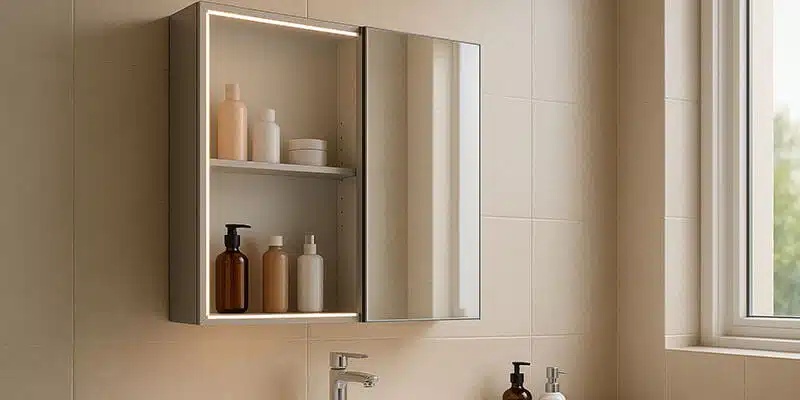
Choosing the right medicine cabinet size is one of the most important decisions when designing or remodeling a bathroom. A cabinet that’s too small may not provide enough storage, while one that’s too large can overwhelm your vanity and make the space feel cramped. The ideal medicine cabinet should balance functionality, style, and proportion while fitting comfortably within your bathroom layout.
In this guide, we’ll explain standard medicine cabinet sizes, how to match your cabinet to your vanity, and the key factors to consider before making your purchase.
Why Size Matters
A properly sized medicine cabinet offers several benefits:
- Provides adequate storage
- Creates a balanced appearance above the vanity
- Improves bathroom organization
- Allows comfortable door clearance
- Enhances the overall design of the space
Choosing the correct size ensures your cabinet looks intentional rather than oversized or undersized.
Standard Medicine Cabinet Sizes
Although medicine cabinets come in many dimensions, most fall within a few common size ranges.
| Cabinet Size | Typical Width | Typical Height | Typical Depth |
| Small | 15–20 inches | 24–30 inches | 3–5 inches |
| Medium | 20–25 inches | 30–36 inches | 4–6 inches |
| Large | 25–30 inches | 36–40 inches | 4–8 inches |
Recessed medicine cabinets are generally shallower because they fit inside the wall, while surface-mounted cabinets often offer additional depth for greater storage capacity.
Match the Medicine Cabinet to Your Vanity
One of the easiest ways to choose the right size is by using your vanity as a guide.
A good rule of thumb is to select a medicine cabinet that is the same width as or slightly narrower than your vanity. This creates a balanced look while leaving room for lighting fixtures or wall sconces.
Here are some common recommendations:
| Vanity Width | Recommended Medicine Cabinet Width |
| 24 inches | 20–22 inches |
| 30 inches | 24–26 inches |
| 36 inches | 28–32 inches |
| 42 inches | 32–36 inches |
| 48 inches | 36–42 inches |
| 60 inches (single sink) | 48–54 inches |
| 60–72 inches (double sink) | Two smaller cabinets or one large cabinet |
These proportions help maintain visual balance and allow cabinet doors to open freely.
Consider Your Bathroom Size
The overall size of your bathroom should also influence your decision.
Small Bathrooms
For compact bathrooms or powder rooms, a smaller cabinet usually works best.
Recommended size:
- Width: 15–20 inches
- Height: 24–30 inches
- Recessed installation when possible
Smaller cabinets maximize storage without making the room feel crowded.
Medium Bathrooms
Standard family bathrooms can usually accommodate medium-sized cabinets.
Recommended size:
- Width: 20–25 inches
- Height: 30–36 inches
These cabinets provide enough storage for everyday essentials while maintaining good proportions.
Large Bathrooms
Primary bathrooms often benefit from larger cabinets.
Options include:
- One wide medicine cabinet
- Two separate cabinets above a double vanity
Larger cabinets provide additional storage while complementing spacious bathroom layouts.
Think About Storage Needs
The right size also depends on what you plan to store.
If you only need space for basic toiletries, a smaller cabinet may be sufficient.
For families, you may need room for:
- Toothbrushes
- Toothpaste
- Skincare products
- Medications
- First-aid supplies
- Hair products
- Cosmetics
- Electric grooming tools
If multiple people share the bathroom, choosing a slightly larger cabinet or a double-cabinet setup can help keep everything organized.
Choose the Right Depth
Depth is often overlooked but plays an important role.
Recessed Cabinets
Typical depth:
- 3–4 inches
Benefits:
- Built-in appearance
- Saves space
- Doesn’t protrude into the room
Surface-Mounted Cabinets
Typical depth:
- 4–8 inches
Benefits:
- Greater storage capacity
- Easier installation
- No wall modifications required
If you store larger bottles or grooming tools, a deeper cabinet may be more practical.
Consider Ceiling Height
A taller medicine cabinet can provide additional storage without taking up more wall width.
Tall cabinets work especially well when:
- Ceiling heights are generous
- Wall space is available
- Extra storage is needed
However, be sure the cabinet doesn’t interfere with light fixtures or feel oversized for the vanity below.
Leave Enough Clearance
Before purchasing, check that the cabinet has enough room to open fully.
Allow clearance for:
- Faucets
- Light fixtures
- Side walls
- Wall sconces
- Adjacent cabinets
Proper spacing ensures the doors open comfortably and prevents future installation issues.
Recessed vs. Surface-Mounted Sizes
Installation type may affect the size you choose.
Recessed Cabinets
Advantages:
- Flush appearance
- Space-saving
- Modern look
Limitations:
- Wall studs may restrict width
- Shallower storage
Surface-Mounted Cabinets
Advantages:
- Available in larger sizes
- Greater storage capacity
- Easier installation
The right option depends on your bathroom’s construction and storage requirements.
Don’t Forget Mirror Proportions
Because most medicine cabinets include mirrors, size affects more than storage.
A properly sized mirrored cabinet can:
- Reflect more light
- Make the bathroom feel larger
- Improve visual balance
- Enhance the vanity area
Choosing the correct proportions creates a more polished and cohesive design.
Common Mistakes to Avoid
Avoid these common sizing mistakes:
- Buying a cabinet wider than the vanity
- Ignoring available wall space
- Forgetting about faucet clearance
- Choosing insufficient storage
- Overlooking cabinet depth
- Not measuring before ordering
Careful planning helps prevent expensive returns or installation problems.
Tips for Choosing the Perfect Size
When selecting your medicine cabinet, remember these guidelines:
- Measure your vanity first.
- Leave enough clearance for lighting and faucets.
- Match the cabinet to your storage needs.
- Consider recessed installation for smaller bathrooms.
- Choose adjustable shelving for greater flexibility.
- Think about future storage needs, not just your current ones.
These simple steps will help you choose a cabinet that remains functional for years to come.
Conclusion
The best medicine cabinet size depends on your vanity dimensions, bathroom layout, storage requirements, and installation preferences. While standard sizes work well for most homes, taking accurate measurements and considering how you use your bathroom will help you find the perfect fit. A properly sized medicine cabinet not only improves organization but also enhances the overall appearance and functionality of your bathroom.
If you’re looking for medicine cabinets in a wide range of sizes and styles, AllSumHome offers options designed to suit everything from compact powder rooms to spacious primary bathrooms. Whether you prefer a recessed cabinet, a surface-mounted model, or a feature-rich LED medicine cabinet, AllSumHome provides stylish and practical solutions to help you create a more organized and beautiful bathroom.
